
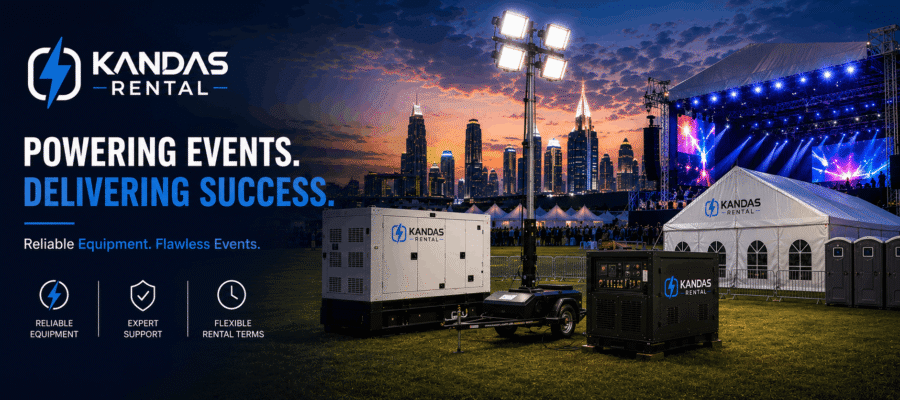
Equipment rental has become a strategic choice for modern construction and industrial operations across the Gulf region. The shift is clear: permanent machinery ownership no longer aligns with how project-based work actually operates. Equipment needs fluctuate dramatically across different project phases. Long-term ownership creates idle assets and unnecessary costs between projects. Flexible rental arrangements solve this problem. They convert fixed capital costs into variable operational expenses. You pay for equipment only when you use it, aligned directly with project duration and actual demand. Understanding your rental options through providers like Kandas Rental UAE helps you make strategic choices that optimize both efficiency and financial performance.
What is Equipment Rental?
Equipment rental refers to the practice of leasing machinery, tools, and specialized equipment for short-term or long-term use rather than purchasing them outright. Rental periods can range from days or weeks for temporary projects to months or years for extended operations. This model allows organizations to access necessary equipment without the burden of permanent ownership, maintenance, or storage responsibilities.
In construction and industrial sectors, equipment rental serves as a practical alternative to capital investment. Whether you need temporary power solutions for a remote site, specialized machinery for a one-time project, or backup equipment during peak operational periods, rental agreements provide the flexibility to scale resources up or down based on actual project demands.
Why Equipment Rental is Important?
Cost Efficiency
Purchasing heavy equipment requires substantial upfront capital expenditure. Equipment rental eliminates this burden by converting fixed costs into variable expenses tied directly to project duration. Organizations pay only for the equipment they use during the periods they need it, improving cash flow and allowing capital allocation to other business priorities.
Reduced Maintenance Responsibilities
Equipment ownership comes with ongoing maintenance obligations, inspections, and regulatory compliance requirements. Rental arrangements typically transfer these responsibilities to the equipment provider, ensuring machinery remains properly serviced and operates safely throughout the rental period. This reduces downtime and operational complexity for your team.
Access to Modern and Specialized Equipment
Industrial and construction sectors continually evolve with technological advances. Equipment rental providers maintain modern inventories of specialized machinery that would be impractical for individual organizations to own. This access enables you to utilize cutting-edge equipment without investing in assets that may become obsolete or underutilized.
Flexibility for Project-Based Work
Construction projects, infrastructure development, and industrial operations rarely have uniform equipment needs throughout their duration. Rental arrangements allow you to acquire specific equipment precisely when needed and return it when projects conclude, optimizing resource allocation and reducing idle asset periods.
Improved Operational Efficiency
When unexpected equipment failure occurs or sudden project requirements emerge, rental solutions provide rapid access to backup or replacement machinery. This capability minimizes project delays and maintains productivity during critical operational windows.
Common Types of Equipment Rental
Generator Rental
Generators provide temporary power supply solutions for construction sites, industrial operations, and emergency situations. Whether for ongoing site electrification or backup power during grid disruptions, generator rental ensures continuous operations without permanent electrical infrastructure investment. These units support various voltage and capacity requirements based on project specifications.
Air Compressor Rental
Air compression equipment powers numerous industrial and construction tools and operations. From pneumatic tools to process applications in manufacturing and fabrication, air compressor rental provides flexible access to this essential utility. Organizations can scale compression capacity based on project intensity without long-term equipment commitments.
Lighting Tower Rental
Adequate site lighting improves safety and productivity during night operations and in areas with limited natural illumination. Lighting towers provide mobile, high-intensity illumination for construction sites, infrastructure projects, and outdoor operations. These units enhance worker safety while enabling extended operational hours and year-round project schedules.
Welding Equipment Rental
Welding machinery serves fabrication, structural assembly, and repair operations across industrial and construction sectors. Rather than maintaining multiple welding units for varying project needs, welding machine rental agreements provide access to diverse equipment types and capacities aligned with specific technical requirements.
Dewatering Pump Rental
Excavation sites, construction areas, and flood-affected regions require effective water management. Dewatering pumps remove accumulated water from project areas, enabling safe and efficient operations. Rental arrangements provide appropriate pump sizes and capacities for specific dewatering challenges without permanent investment.
Construction Equipment Rental
Heavy earthmoving and material handling equipment forms the backbone of large infrastructure projects. Excavators, loaders, and specialized machinery are available through rental arrangements, allowing construction firms to optimize fleet composition and scale construction equipment resources according to project phases and demands.
Temporary Site Equipment Rental
Beyond machinery, construction sites and industrial operations require temporary facilities including site offices, worker accommodation, storage facilities, and sanitation units. These temporary solutions support project workforce needs and operational requirements during site establishment and project execution phases.
Industries That Use Equipment Rental
Construction
The construction industry represents the largest equipment rental sector, where project-based work creates variable machinery needs throughout development phases. Equipment rental enables construction firms to manage diverse project portfolios with flexible resource allocation.
Oil & Gas
Upstream, midstream, and downstream operations require specialized equipment for drilling, processing, and maintenance activities. Equipment rental provides access to specialized machinery without maintaining underutilized assets during operational transitions.
Infrastructure Development
Large-scale infrastructure projects including road construction, rail development, and utilities expansion depend on heavy equipment with varying deployment periods. Rental solutions align equipment availability with specific project phases and technical requirements.
Marine Operations
Port facilities, marine construction, and offshore operations utilize specialized equipment adapted to maritime environments. Equipment rental providers maintain marine-grade machinery supporting diverse maritime industry needs.
Utilities and Energy
Utilities maintenance, installation, and expansion projects require temporary equipment and power solutions. Equipment rental facilitates rapid deployment of resources for emergency repairs, network expansion, and seasonal maintenance activities.
Manufacturing
Industrial manufacturing facilities utilize equipment rental for production scaling, process trials, and maintenance period support. This flexibility enables manufacturers to manage variable production demands without permanent asset overcommitment.
Events and Entertainment
Large-scale events require temporary power, lighting, and infrastructure equipment. Equipment rental providers support diverse event types including conferences, festivals, exhibitions, and corporate functions through comprehensive temporary solutions.
Factors to Consider in Equipment Rental
When evaluating equipment rental options, several key factors influence decision-making:
Equipment Availability: Verify that providers maintain sufficient inventory of required equipment types and capacities to support your project timeline and scale requirements.
Condition and Maintenance Standards: Assess equipment maintenance records, safety certifications, and operational condition standards. Well-maintained machinery ensures reliable performance and reduces unexpected downtime during critical project phases.
Rental Duration Terms: Understand flexible rental period options ranging from daily to annual arrangements. Confirm cancellation policies and escalation provisions for extended requirements.
Technical Support and Operator Training: Determine whether rental providers offer on-site technical support, equipment operation guidance, and troubleshooting assistance throughout rental periods.
Delivery and Logistics: Consider equipment delivery schedules, installation support, and site preparation requirements. Efficient logistics minimize project delays and reduce overall operational costs.
Basic Cost Factors
Equipment rental pricing typically reflects several variables:
Equipment Type and Capacity: Specialized machinery and high-capacity equipment command higher rental rates than basic tools. Pricing aligns with equipment sophistication and operational capabilities.
Rental Duration: Daily rates typically exceed weekly or monthly per-day costs, reflecting administrative and logistics efficiency for longer rental periods. Extended commitments generally offer improved rate structures.
Transportation and Logistics: Equipment delivery, installation, and site preparation costs vary based on project location, accessibility, and equipment complexity. Remote or challenging site access may increase logistics expenses.
Project Requirements: Customized equipment configurations, operator provision, and specialized setup support increase rental costs beyond basic equipment availability.
Equipment Rental vs. Ownership
Both rental and ownership models offer distinct advantages depending on organizational circumstances:
Rental is Better When:
- Projects have defined, limited durations
- Equipment utilization rates are low or intermittent
- Capital preservation is a priority
- Access to diverse equipment types is necessary
- Maintenance responsibility avoidance is important
Ownership is Better When:
- Equipment requires constant, continuous utilization
- Long-term cost analysis favors ownership over extended rental periods
- Specialized customization aligned with proprietary processes is necessary
- Equipment represents core organizational assets
Financial Considerations:
Rental converts substantial capital expenditures into manageable operational expenses. Ownership builds asset value but requires maintenance investment, storage, and regulatory compliance costs. Organizations should analyze project-specific economics to determine optimal approaches.
Conclusion
Equipment rental has transformed how construction, industrial, and infrastructure organizations manage machinery resources. By providing flexible access to specialized equipment without capital commitment or maintenance burden, rental solutions enable businesses to optimize operational efficiency and project delivery. Whether supporting temporary site requirements, emergency equipment needs, or strategic business flexibility, understanding equipment rental options helps decision-makers align resources with actual project demands. Providers like Kandas Rental UAE continue to evolve their offerings to support businesses across the Gulf region and beyond in achieving operational excellence through flexible equipment solutions.
Related Posts




Post a Comment